

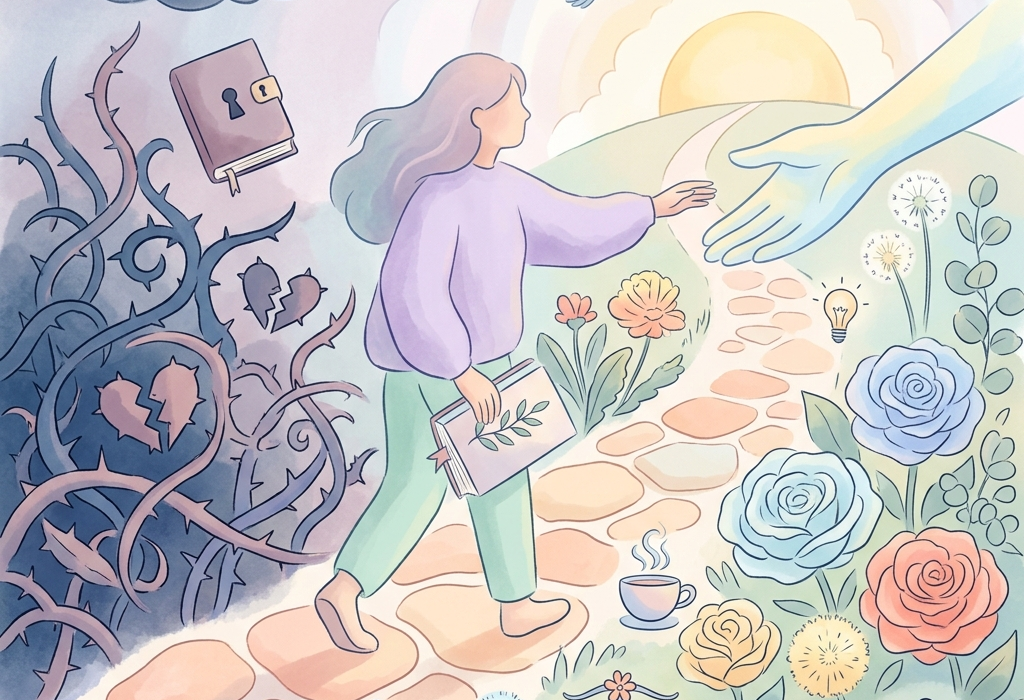
Effective Ways to Recover from a Breakup
1. Start an Immediate No-Contact Period
One of the most important steps after a breakup is implementing a no-contact rule.
Staying in touch with an ex may temporarily reduce emotional pain, but it often delays healing. Continuous communication keeps emotional wounds open.
Avoid texting, calling, or checking their social media. Creating emotional and physical distance allows your mind to process the breakup and begin healing.
2. Stop Seeking Closure from Your Ex
Many people believe they need closure from their former partner to move on.
In reality, closure rarely comes from the other person. Even if explanations are given, they often fail to bring emotional relief.
True closure comes from self-reflection and acceptance rather than repeated conversations with the ex-partner.
3. Accept the Reality of the Breakup
Acknowledging your emotions is essential for healing.
Denial may temporarily protect you from pain, but it ultimately delays recovery. Accepting the reality of the situation allows you to process your emotions and gradually move forward.
While the relationship may have ended, it also opens the door to new beginnings and personal growth.
4. Let Go of What No Longer Wants You
Holding onto someone who has chosen to leave can damage your self-worth.
Sometimes letting go is not a loss but an act of self-respect. Choosing yourself and your emotional well-being is an important step toward healing.
Healthy relationships are built on mutual love, respect, and commitment.
5. Avoid Rebound Relationships
Jumping into a new relationship immediately after a breakup may seem like a way to distract yourself from pain.
However, rebound relationships often prevent genuine emotional healing.
Instead, take time to reflect on the previous relationship, understand what went wrong, and learn from the experience.
6. Stop Idealizing Your Ex
After a breakup, people often remember only the positive aspects of their former partner.
Idealizing an ex can create unrealistic emotional attachment and delay healing.
Instead of focusing on “the one who got away,” focus on becoming the best version of yourself.
7. Practice Gratitude
During a breakup, it is easy to focus only on what was lost.
Practicing gratitude helps shift attention toward what still exists in your life—supportive friends, family, opportunities, and personal strengths.
Writing a gratitude list daily can significantly improve emotional resilience.
8. Be Gentle with Yourself
Healing from heartbreak is rarely linear.
There will be moments of sadness, anger, nostalgia, and confusion. These emotions are a natural part of the grieving process.
Allow yourself to feel without judgment. Treat yourself with compassion and patience.
9. Build a Strong Support System
No one should go through emotional pain alone.
Reach out to trusted friends, family members, or support groups. Talking openly about your emotions can reduce psychological stress.
If the emotional pain feels overwhelming, consulting a mental health professional can be extremely helpful.
10. Prioritize Yourself and Your Growth
Breakups can be an opportunity for personal transformation.
Invest time in activities that nurture your well-being:
- Exercise or join a gym
- Learn new skills
- Focus on career goals
- Develop hobbies
- Maintain healthy sleep habits
- Eat nutritious food
Redirecting energy toward personal growth helps rebuild confidence and emotional stability.
Remember: Healing Takes Time
Time alone does not heal wounds—what you do during that time matters.
Healthy coping strategies, self-awareness, and supportive relationships all play an important role in emotional recovery.
By choosing self-respect, acceptance, and personal growth, individuals can transform heartbreak into an opportunity for self-discovery.
Frequently Asked Questions (FAQs)
How long does it take to recover from a breakup?
Recovery time varies from person to person. While some individuals may feel better in a few weeks, others may take months. Emotional healing depends on factors such as relationship duration, emotional attachment, and support systems.
Is it healthy to stay friends with an ex after a breakup?
In the early stages of a breakup, maintaining distance is usually healthier. A period of no contact allows both individuals to process their emotions and regain emotional independence.
Why do breakups feel so painful?
Breakups activate the same brain regions associated with physical pain. Emotional attachment, shared memories, and loss of future expectations contribute to intense psychological distress.
Should I start dating again immediately after a breakup?
It is generally recommended to allow yourself time to heal before entering a new relationship. Rebound relationships can delay emotional recovery.
When should someone seek professional help after a breakup?
If breakup distress leads to severe depression, anxiety, insomnia, inability to function in daily life, or thoughts of self-harm, professional mental health support should be sought immediately.